
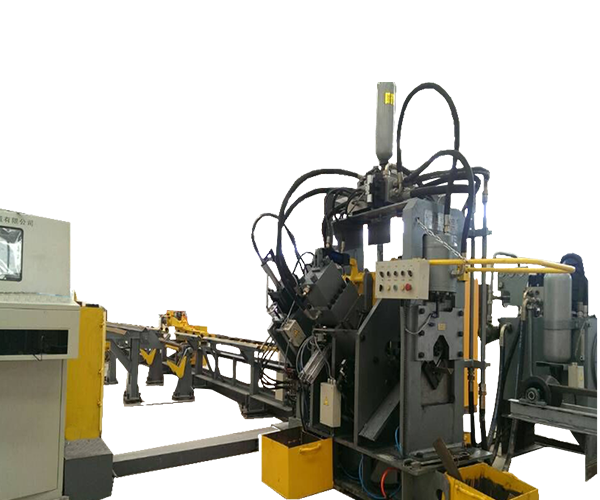
CNC Angle Punching, Marking and Shearing Machine
CNC Angle Processing Machine
Angle size: 40x40x3~200x200x20mm
Max. Hole size: 26mm
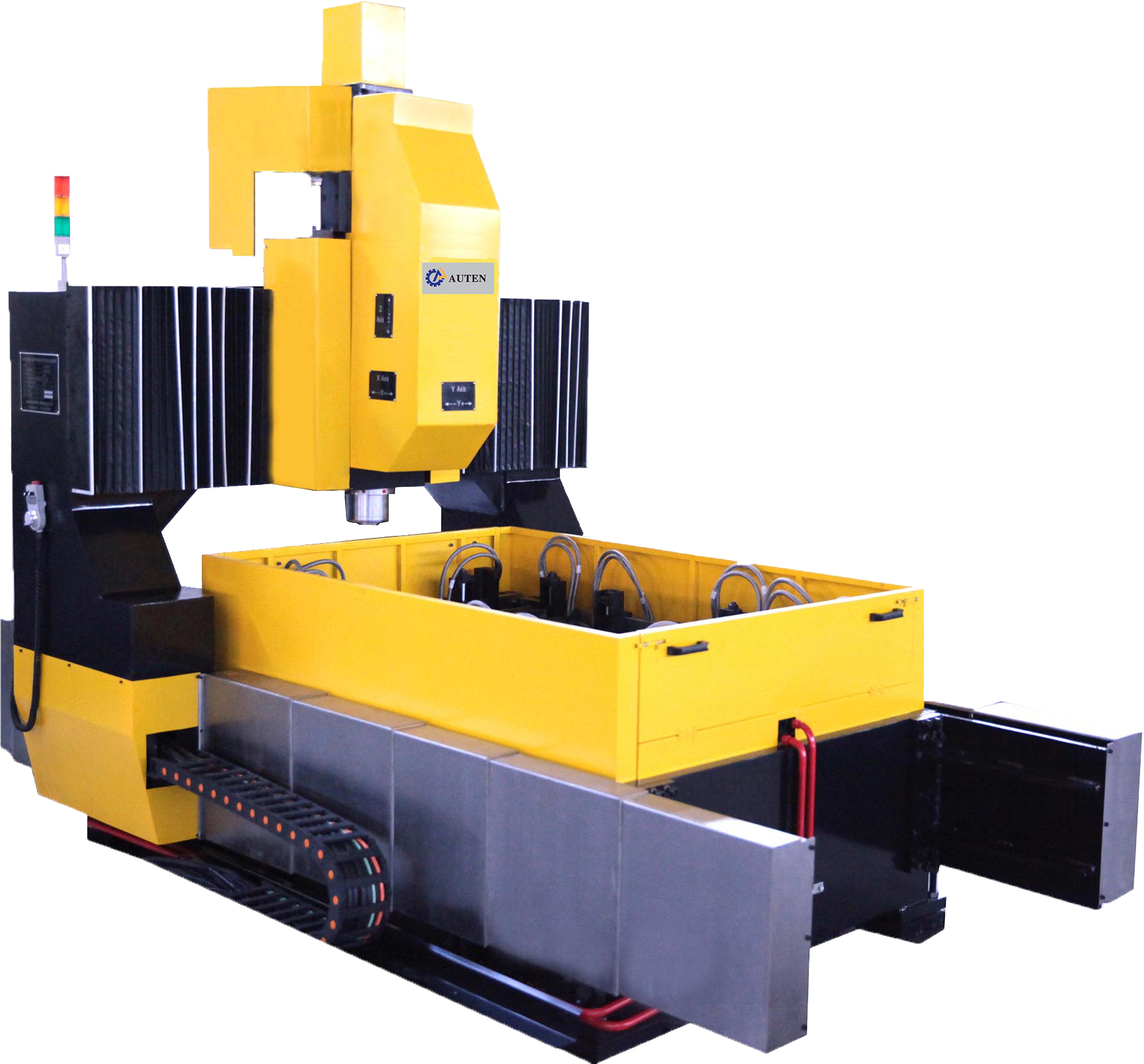
High Speed CNC Plate Drilling Machine
It is mainly used in steel structure drilling in construction, bridge, tower etc., and can be use din pipe and plate of boiler, petro line, baffle plate and round flange.
LEARN MORE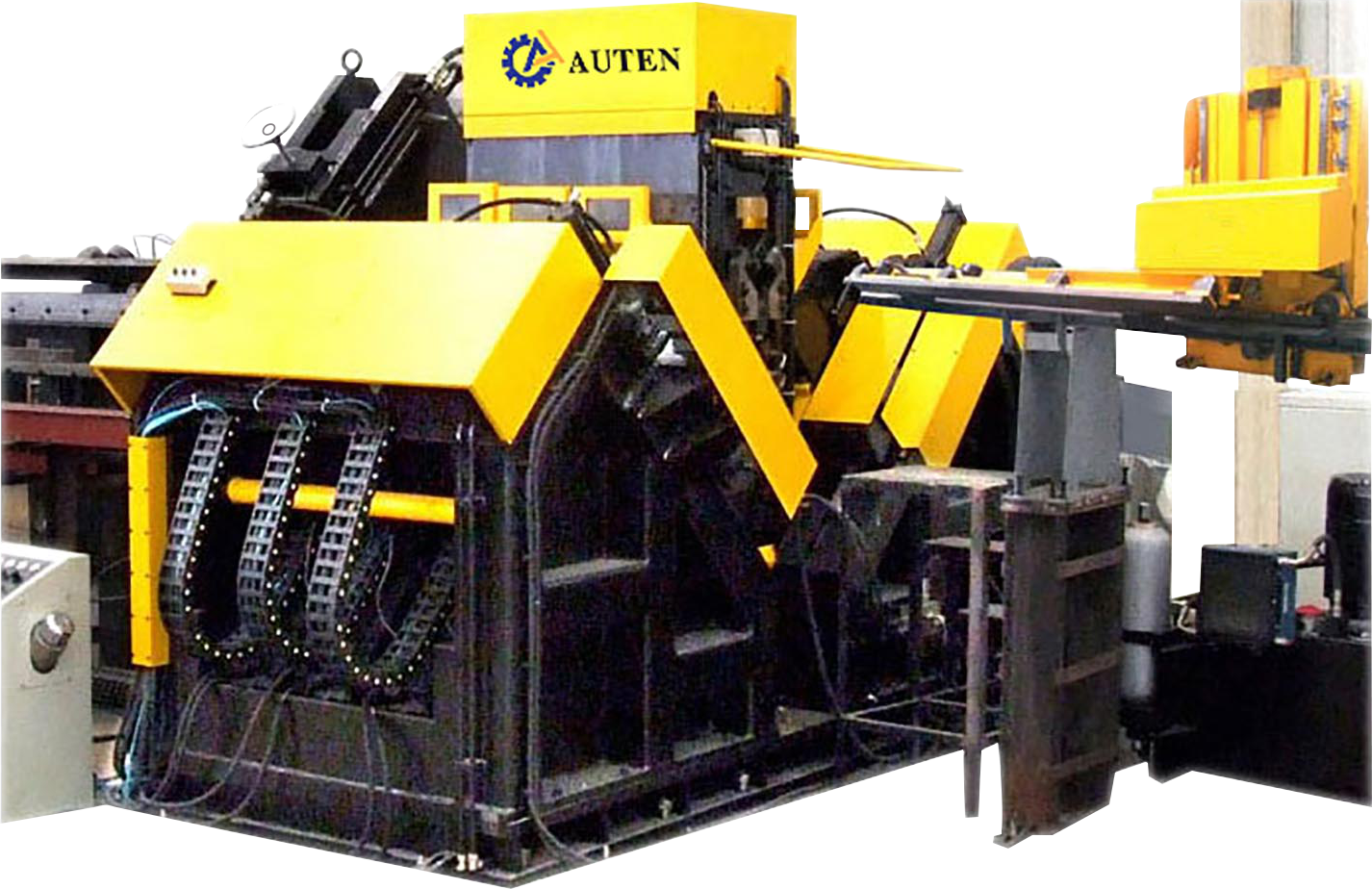
High Speed CNC Angle Drilling and Marking Machine Line
Used for angle steel drilling & marking mainly in the field of angle steel tower industry.
LEARN MORE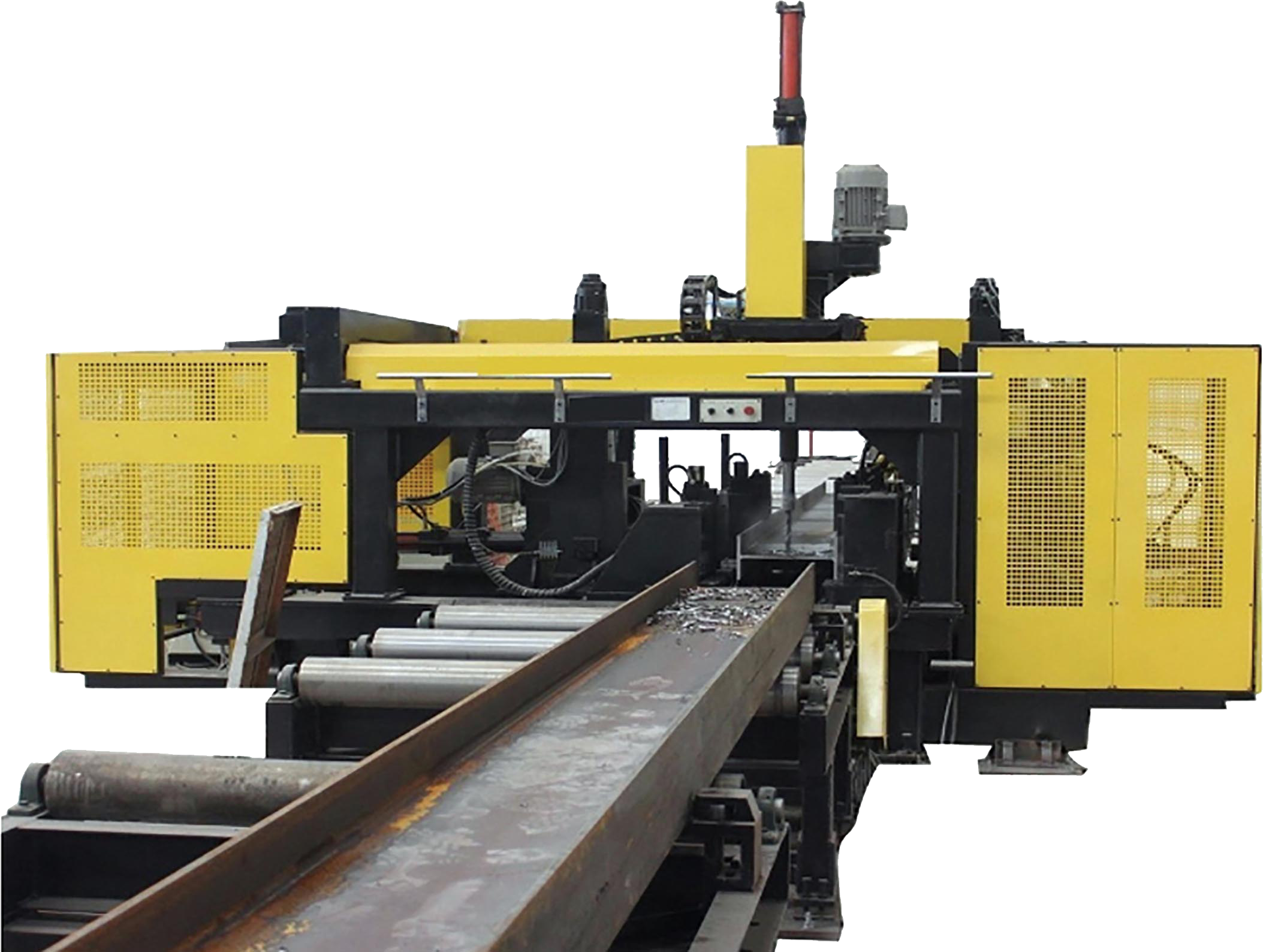
CNC H Beam Drilling Machine Line
Used for the drilling processing of H-shape steel, box beam and channel steel of steel structure, bridge, three dimensional garage and petrol platform. It is designed for medium size steel fabricators desiring to increase profitability and throughput (tons-per-month) in today’s extremely competitive market.
LEARN MORE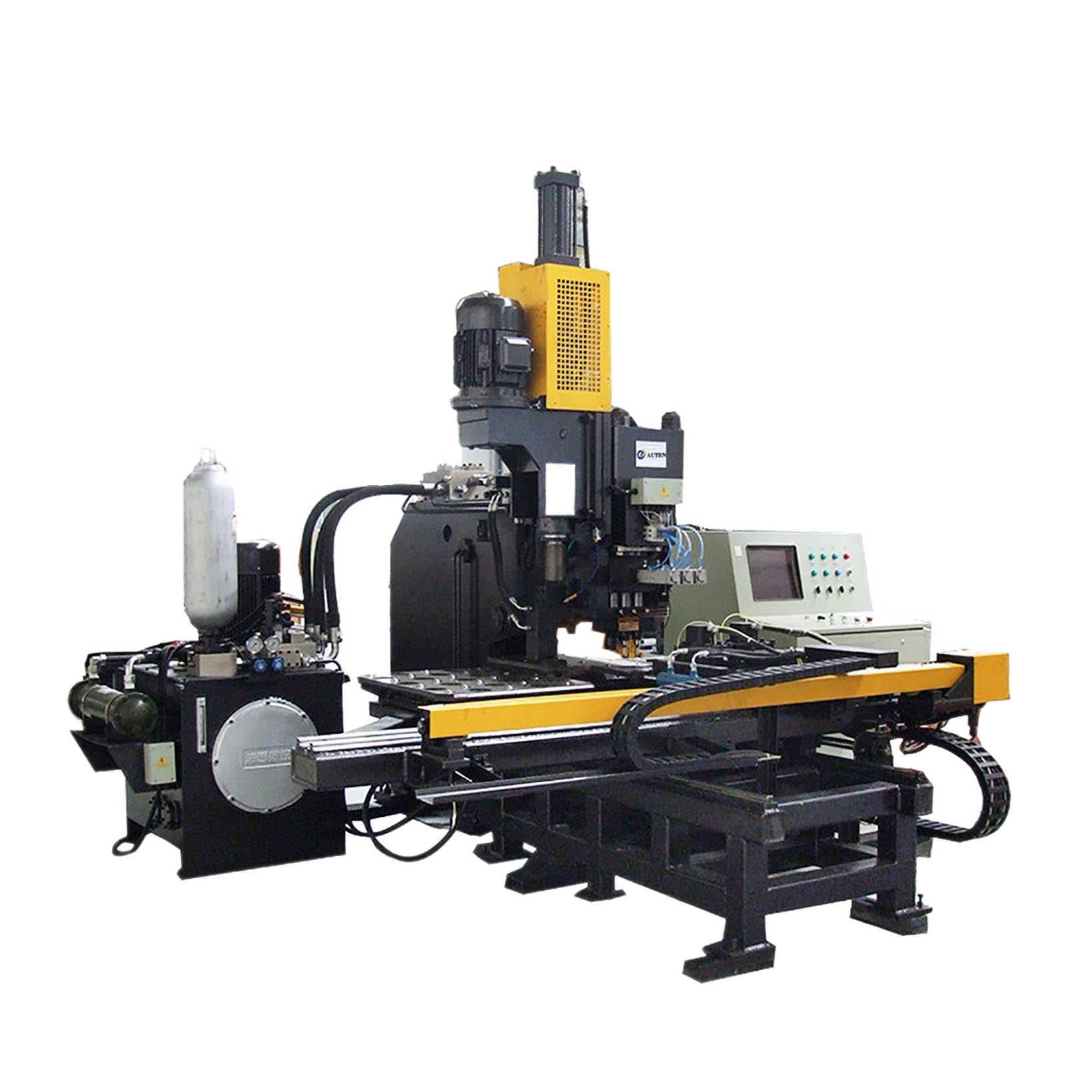
CNC Plate Punching, Marking and Drilling Machine
Used for punching, drilling and marking joint plates in the field of iron tower. It is also used to punching, drilling and marking metal plate in other industry field.
LEARN MOREThis CNC Plate Punching and Marking Machine is purpose-built for precision punching and marking of steel plates used in transmission tower fabrication.
Product feature:
1. The machine adopts a high-strength C-frame welded steel structure, delivering superior rigidity, vibration resistance, and a spacious working area. It is equipped with three automatic processing stations, including two punching stations and one dedicated marking station, with automatic station indexing for streamlined machining. The hydraulic clamping system securely holds steel plates of different dimensions and thicknesses, while a precision reference stop provides accurate workpiece positioning. A ball-transfer worktable enables smooth and effortless material handling. The X- and Y-axis mechanisms are driven by servo motors and precision ball screw assemblies and coordinated through PLC-based closed-loop control, enabling fully automated, high-accuracy punching operations. Machining programs can be generated, stored, and reused, making the system particularly suitable for high-volume production.
2. The machine integrates advanced CNC control technology with a servo-controlled feeding mechanism, providing high production efficiency, precise dimensional control, stable machining performance, and excellent repeatability during continuous operation.
3. The primary functional assemblies utilize a modular design concept, facilitating routine maintenance, simplifying component replacement, minimizing service-related downtime, and improving overall equipment reliability throughout its service life.
4. The machine integrates punching and marking operations within a single machining cycle for each steel plate, minimizing unnecessary workpiece handling and significantly improving processing efficiency and production throughput.
5. The CNC control system features an intuitive programming interface and supports direct data import from CAD drawings and processing files generated by nesting or lofting software. Compatibility with TEKLA NC1 files enables efficient data conversion, simplifies programming workflows, and facilitates streamlined digital production management.
6. An intelligent self-diagnostic and condition-monitoring system continuously monitors machine operating status, detects abnormal conditions, and provides detailed fault information. This function supports rapid fault identification, simplifies troubleshooting and maintenance procedures, and improves equipment availability and operational reliability.
7. The X- and Y-axis transmission systems are equipped with high-performance servo motors, precision ball screw mechanisms, and high-accuracy linear guideways, providing excellent positioning precision, repeatability, and stable machining performance during long-term operation.
8. The main machine body is constructed from a reinforced C-type welded steel frame, providing exceptional structural rigidity, stable operation, and a generous processing area capable of accommodating steel plates with various dimensions and meeting diverse manufacturing requirements.
9. The equipment is configured with three fully automated processing stations, including one dedicated marking station. Automatic station selection reduces operator intervention while enhancing machining speed, processing flexibility, and overall production productivity.
10. The hydraulic clamping system is designed to securely retain steel plates with different thicknesses. Combined with a precision zero-point reference stop and ball-transfer worktable, the configuration ensures reliable clamping, accurate workpiece alignment, and smooth material transfer throughout the machining process.
11. The dual-axis CNC motion system combines high-precision servo drives, precision ball screw transmission mechanisms, and linear guideways to achieve accurate X- and Y-axis positioning, ensuring precise punching and marking locations for every workpiece.
12. The complete machining workflow is fully automated. After the operator imports the workpiece drawing into the CNC control system, the equipment automatically executes the programmed punching, marking, and drilling operations with minimal operator involvement, thereby improving production efficiency, process consistency, and operational reliability.
| Model | BNCZ100 | |
| Max size of work piece (mm) | 1500*800 | |
| Max. punching diameter (mm) | Φ26 | |
| Max. drilling diameter (mm) | Φ50 | |
| Taper of drilling spindle | / | |
| Plate thickness (mm) | Punching | 5~25 (Q235) |
| Drilling | 40 | |
| Punching force (kN) | 1000/1200 | |
| Marking force (kN) | 800/1200 | |
| Min. distance between hole and plate edge (mm) | Punching | 25 |
| Drilling | Depends on hole diameter | |
| Character size(mm) | 14*10*19 | |
| Qty. of character | 12 | |
| Die-stations | 4 | |
| Feeding speed of drilling (mm/min) | 25~280 | |
| Stroke of drilling spindle(mm) | 180 | |
| Rotation speed of drilling spindle(r/min) | 120~560 | |
| Programming mode | Command programming, Auto CAD drawing or layout software | |
| Overall dimensions L*W*H (m) | 3.2*3*2.6 | |


